Mumbai
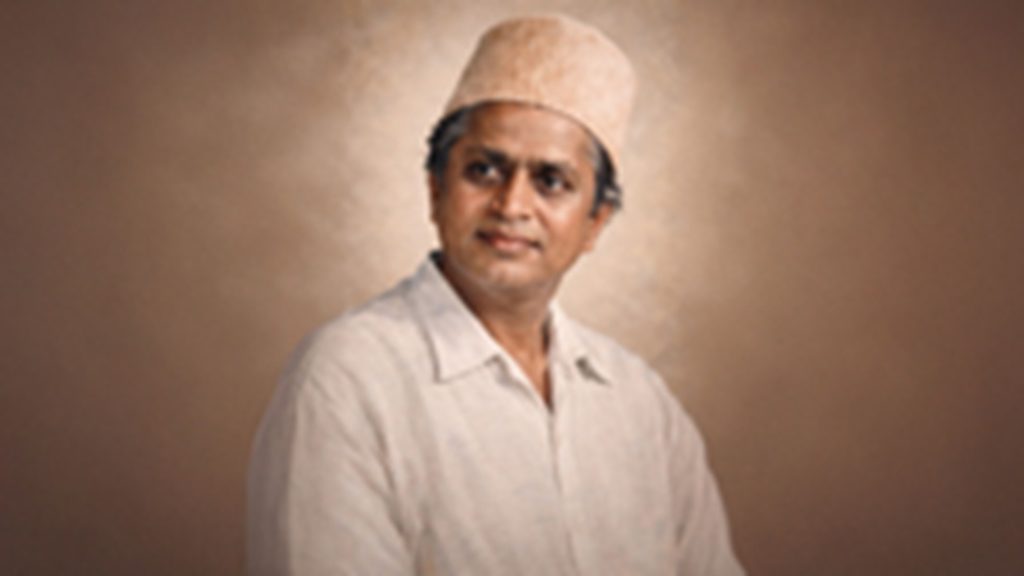
The name of the Mangeshkar family continues to command immense respect in Indian music, and the foundation of this illustrious legacy was laid by Pandit Deenanath Mangeshkar. Entering the world of music at a very young age, he went on to become a leading figure in Marathi theatre and musical drama.
More than just a singer, Deenanath Mangeshkar was a versatile artist who made a mark early in life. His journey, which began at the age of five, remains an integral part of India’s musical and theatrical history.
Born on December 29, 1900, in Mangeshi, he grew up in a culturally rich and religious environment. His father served as a temple priest, while his mother sang devotional songs, introducing him to music at an early age. It was from her that he received his initial training, which shaped his future.
It is said that Deenanath began formal training in music at just five years old, astonishing people with his command over melody and rhythm. He later trained under several renowned gurus and mastered the art. His inclination towards Marathi theatre developed early, and he joined the Kirloskar Natak Mandali, where he began showcasing his acting and singing talents.
At a time when female performers were rare on stage, male actors often played female roles. Deenanath Mangeshkar also portrayed several female characters in plays, winning audiences over with his powerful voice and compelling performances.
His commanding stage presence quickly earned him popularity. Alongside acting, his singing was widely appreciated. He also performed in Urdu and Hindi plays, delivering each role with dedication.
In 1918, he established his own theatre company, Balwant Sangeet Natak Mandali, through which he staged numerous historical and social plays that gained widespread acclaim, further cementing his reputation as a skilled performer.
Apart from theatre, he also ventured into cinema during the 1930s, producing films such as Krishnarjun Yuddh. In this project, he not only acted but also lent his voice to songs, highlighting his multifaceted talent.
His personal life saw its share of ups and downs. He married twice and continued to contribute to the arts while supporting his family. His children went on to become iconic figures in Indian music, including Lata Mangeshkar, Asha Bhosle, Usha Mangeshkar, and Hridaynath Mangeshkar.
He instilled in them a deep sense of discipline and dedication to music, which helped shape the future of Indian music through the Mangeshkar legacy.
Unfortunately, Pandit Deenanath Mangeshkar passed away on April 24, 1942, at the age of just 41. Though his life was short, his contributions continue to be remembered and celebrated.
About Author

You may also like
Behind the Glitz : The Struggle of Bodies, Jewels and Lives in the Marketplace of Glamour
Asian Games 2026: India in 5th Place in Medal Table, China Maintains Dominance; Men’s Hockey Team to Face Malaysia Today
Jai Shri Ram Slogans Raised During CJP Protest at Mumbai’s Shivaji Park; Police Bring Situation Under Control
Five Years of Royal Revelry on the Chest of Udai Sagar
Gen Z Dating Millennials: Indian Singles Share the Pros and Cons of Cross-Generational Relationships