New Delhi,
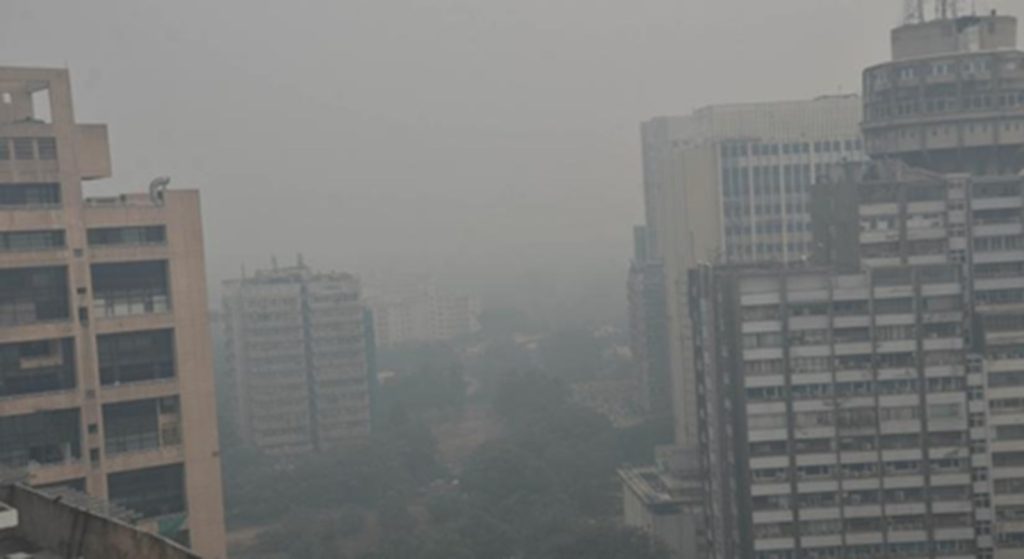
With the onset of winter, the Air Quality Index (AQI) in Delhi-NCR and several parts of North India often reaches alarming levels. While people commonly assume that they are safe indoors when they see smog and haze outside, the World Health Organization (WHO) and various research studies make it clear that indoor pollution levels can also be dangerously high.
During winter, people tend to keep doors and windows closed to protect themselves from the cold. This traps pollutants inside their homes. Therefore, adopting scientific and practical measures is essential to make homes safer and reduce indoor air pollution.
Poor ventilation allows fine particulate matter (PM2.5 and PM10) from outside to accumulate indoors. In addition, routine household activities can significantly increase pollution levels. Cooking, burning incense sticks and dhoop, and sweeping with a dry broom can release harmful particles and volatile organic compounds (VOCs).
According to a report, a burning mosquito coil or incense stick can generate particulate matter equivalent to that produced by approximately 75–100 cigarettes. Essential oil diffusers also release significant amounts of volatile organic compounds (VOCs), which can harm the respiratory system.
For accurate monitoring of air quality, people should use the ‘Sameer’ app developed by the Central Pollution Control Board (CPCB), which provides real-time AQI data.
Using air purifiers equipped with True HEPA filters is considered one of the most effective ways to clean indoor air. These filters can capture 99.97 per cent of particles as small as 0.3 microns. Combining a HEPA filter with an activated carbon filter is particularly beneficial for removing gases and VOCs.
Ionisers and air purifiers that generate ozone should be avoided, as they can produce secondary pollutants. While selecting an air purifier, it is essential to choose one with an appropriate Clean Air Delivery Rate (CADR) based on the size of the room.
Heating appliances used to keep rooms warm during winter can also affect indoor air quality. Blower and halogen heaters tend to make the air dry, while oil-filled radiators (OFRs) do not reduce humidity or consume oxygen, making them a comparatively safer option for respiratory health.
Along with technology, natural measures can also play a role. According to extensive research by NASA, certain plants can help improve indoor air quality. The Areca Palm converts carbon dioxide into oxygen during the day. The recommendation mentioned is to keep four shoulder-height plants per person.
The Snake Plant also produces oxygen at night, making it a popular choice for bedrooms.
The Money Plant can help remove formaldehyde and other harmful volatile chemicals from the air.
During cleaning, dry sweeping can cause dust particles to become airborne again. Therefore, using a wet mop is preferable. Dry winter air can also make the respiratory tract more sensitive. Maintaining indoor humidity levels between 30 and 50 per cent can help keep the air comfortable and prevent dust particles from becoming airborne.
Along with keeping homes clean, strengthening the body’s immune system is also important when dealing with pollution. According to Ayurveda and nutrition experts, including vitamin C-rich foods, amla and jaggery in the diet can help support respiratory health. The antioxidants present in jaggery are said to be particularly helpful in detoxifying the body by eliminating fine particles and toxins that accumulate in the lungs.
About Author

You may also like
Behind the Glitz : The Struggle of Bodies, Jewels and Lives in the Marketplace of Glamour
लोंग लाइफ का फंडा : 100 की सेंचुरी और कर्नल का डिसिप्लिन
Asian Games 2026: India in 5th Place in Medal Table, China Maintains Dominance; Men’s Hockey Team to Face Malaysia Today
Jai Shri Ram Slogans Raised During CJP Protest at Mumbai’s Shivaji Park; Police Bring Situation Under Control
Five Years of Royal Revelry on the Chest of Udai Sagar