New Delhi

Alzheimer’s disease is generally considered an age-related condition, but scientists believe that the changes underlying the disease may begin in the body and brain long before symptoms become apparent. A new study has now indicated that blood tests could help detect early Alzheimer’s-related changes as early as middle age.

The research has been published in The Lancet.
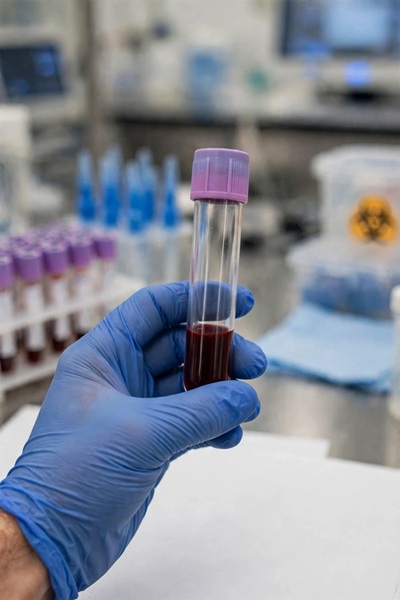
In the study, scientists examined specific Alzheimer’s-related biomarkers in the blood of middle-aged people. Particular attention was given to markers such as phosphorylated tau (p-tau) and amyloid-beta, proteins whose changes may indicate brain processes associated with Alzheimer’s disease.
The study included people who were still in middle age and did not necessarily have clear symptoms of Alzheimer’s. Researchers found that some participants already showed signs of Alzheimer’s-related neuropathology. However, such cases were not common.
Participants who had Alzheimer’s-associated biomarkers showed relatively poorer performance on certain tests assessing thinking abilities and memory. This association remained even after researchers took several factors into account, including age, body mass index (BMI), kidney function and the APOE gene.
The research also indicated that these associations may vary according to sex, APOE genotype and racial groups. In some analyses, the associations appeared stronger among Black participants, people carrying the APOE4 gene, and women, although the pattern was not consistent across every comparison.
By the time symptoms of Alzheimer’s disease become apparent, related changes in the brain may already have been developing for a considerable period. If simple and relatively inexpensive blood tests can identify signs of these changes at an earlier stage, they could potentially help doctors identify people at higher risk in the future.
However, this does not mean that a routine blood test can currently predict Alzheimer’s disease with certainty for every individual. The research strengthens the possibility of early detection, but further studies are needed to establish the use, accuracy and clinical utility of such tests.
Nevertheless, the study adds to evidence that Alzheimer’s is not a disease that suddenly begins in old age. Its underlying biological changes may start many years before symptoms appear.
About Author

You may also like
Scientific Ways to Keep Your Home Pollution-Free Amid Rising AQI Levels in Winter
Behind the Glitz : The Struggle of Bodies, Jewels and Lives in the Marketplace of Glamour
लोंग लाइफ का फंडा : 100 की सेंचुरी और कर्नल का डिसिप्लिन
Asian Games 2026: India in 5th Place in Medal Table, China Maintains Dominance; Men’s Hockey Team to Face Malaysia Today
Jai Shri Ram Slogans Raised During CJP Protest at Mumbai’s Shivaji Park; Police Bring Situation Under Control