

Mumbai
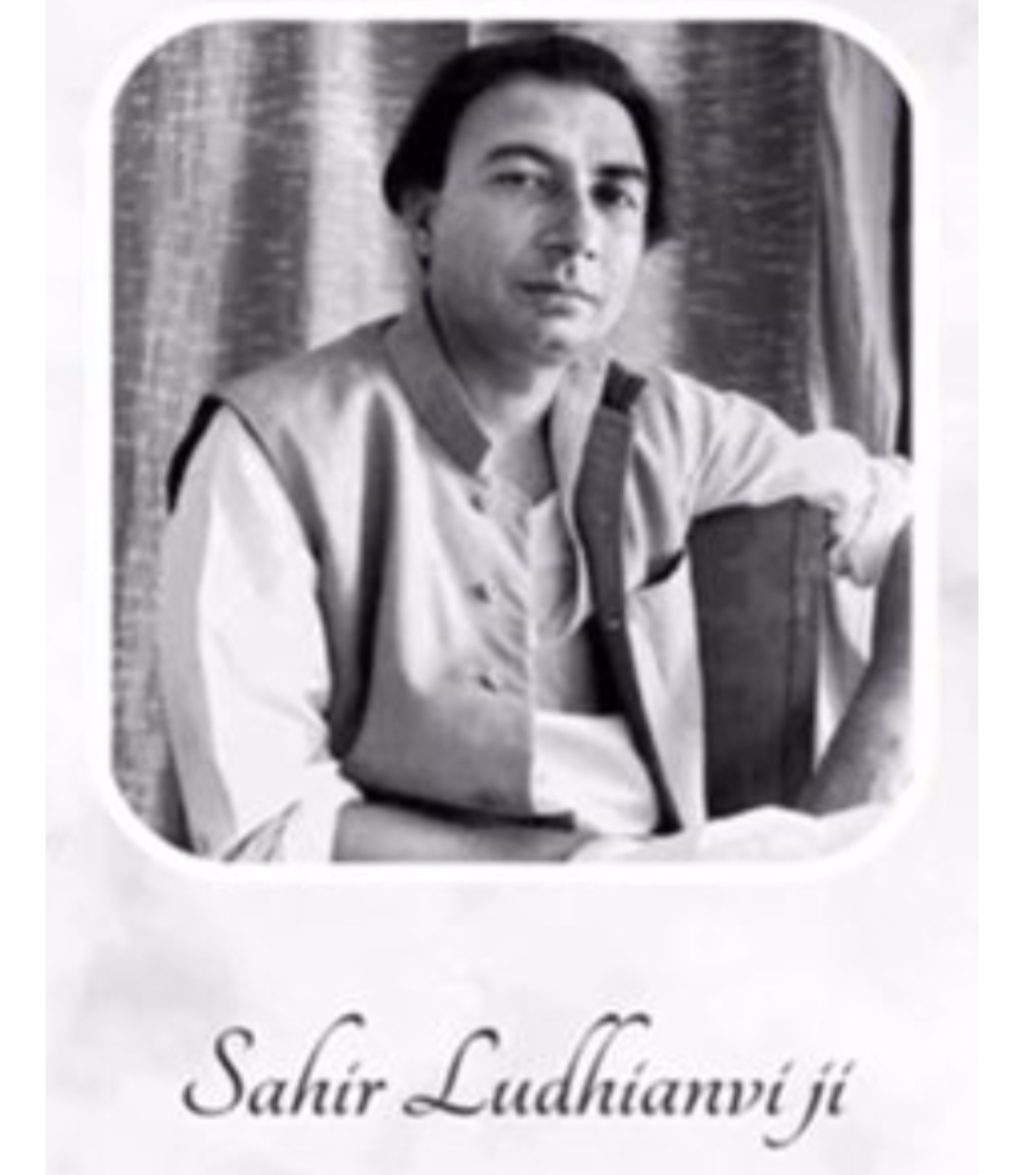
While International Women’s Day is celebrated on March 8 to honor the achievements and struggles of women, the day also marks the birth anniversary of legendary Hindi poet and lyricist Sahir Ludhianvi. Known for his powerful and emotional writing, Sahir immortalized themes of love, pain, rebellion, and humanity through his poetry and film songs.
One of the most touching anecdotes from Hindi cinema is connected to his iconic song “Babul Ki Duaen Leti Ja”, sung by legendary playback singer Mohammed Rafi. During the recording of this song, Rafi reportedly broke down in tears, deeply moved by Sahir’s heartfelt lyrics.
Sahir Ludhianvi, born on March 8, 1921, in Ludhiana, Punjab, originally named Abdul Hayee, became one of the most influential lyricists in Indian cinema. His words had a unique emotional depth that resonated with audiences across generations.
Emotional Recording of a Timeless Song
The story was once shared by music composer Ravi in an interview. The song “Babul Ki Duaen Leti Ja” was recorded for the 1968 film Neel Kamal. According to Ravi, the lyrics written by Sahir were so emotional that even during rehearsal, Mohammed Rafi’s eyes filled with tears.
Concerned, Ravi called Rafi outside the studio and asked what had happened. Rafi revealed that his daughter had recently gotten engaged, and the emotions of a father bidding farewell to his daughter in the song reminded him of his own life. Unable to control his feelings, he became overwhelmed while singing.
Interestingly, listeners can still notice the slight tremble and emotional depth in Rafi’s voice during the final recording. Such was the sincerity of the moment that Rafi reportedly left a family wedding function to complete the recording and even refused to accept any payment for the song.
The song later went on to win a National Award and remains one of the most emotional farewell songs played during wedding bidaai ceremonies across India.
Sahir’s Versatile Genius
Sahir Ludhianvi’s writing was remarkably versatile. He wrote bhajans, qawwalis, romantic songs, and sharp satirical lyrics with equal brilliance. In the same film Neel Kamal, another memorable song “Khali Dabba, Khali Bottle”—sung by Manna Dey and picturized on comedian Mehmood—offered a witty satire on the hollowness of life. Its lyrics suggested that many things that appear full from the outside are actually empty within.
Sahir’s work often carried strong social messages. His famous lines, “Tu Hindu Banega Na Musalman Banega, Insaan Ki Aulaad Hai Insaan Banega,” promoted unity and humanity above religious divisions.
According to composer Ravi, Sahir was known to be somewhat moody during the creative process—he would sometimes disappear after hearing a situation for a song but would return with perfectly crafted lyrics. Despite his stature, he was generous with credit and would even acknowledge lines contributed by collaborators.
Through his powerful poetry and meaningful film songs, Sahir Ludhianvi elevated Hindi film lyrics to the level of literature—creating works that continue to resonate with audiences decades later.
About Author

You may also like
FIFA World Cup 2026 : Canada Reaches the Round of 16 for the First Time, While Lionel Messi and Harry Kane Create New Records
FIFA World Cup 2026 : Ronaldo Creates History as Portugal Thrash Uzbekistan 5-0, Becomes First Player to Score in Six World Cups
Wedding Festivities Begin! Maheep Kapoor Shares Glimpses from Anshula Kapoor and Rohan Thakkar’s Pre-Wedding Celebrations
Sara Ali Khan Shares Special Theatre Moment With Sharmila Tagore and Amrita Singh, Calls Them My OG Legends
Sanjay Dutt Surprises Daughter Trishala Dutt in New York on Father’s Day, Celebrates Special Weekend Together